

Sanctions impact: How Global Measures Shape Finance and Business
The phrase Sanctions impact captures a complex set of forces that shape markets policy and corporate strategy across the world. For readers at financeworldhub.com who track geopolitics and market trends it is vital to grasp how sanctions influence capital flows trade corridors currency stability and corporate risk. This article explains the main channels of Sanctions impact and offers practical guidance for firms investors and policy makers seeking to navigate an era of rising economic pressure tools.
What are sanctions and why they matter
Sanctions are targeted actions taken by governments or multilateral institutions to restrict trade finance or access to technology for states entities or individuals. The goal can be to deter aggression enforce norms or pressure changes in behavior. The Sanctions impact is not limited to the sanctioned target. Effects ripple across supply chains commodity markets banking networks and investor sentiment. Understanding these pathways helps firms anticipate costs and find resilient solutions.
Primary channels of Sanctions impact
Sanctions influence the global economy through several clear channels. First trade restrictions alter the flow of goods and services. Export controls on energy or high technology can raise production costs and disrupt global supply chains. Second financial restrictions limit access to banking services and international capital markets. When a country or a bank is cut off from correspondent banking services or from the main clearing networks this limits its ability to settle trade and refinance debt. Third investment constraints reduce foreign direct investment and portfolio flows. Fourth reputational consequences change investor risk premiums and lending terms even for firms that are not formally sanctioned.
Each of these channels produces a distinct Sanctions impact profile. For example energy sector measures can spike commodity prices and shift trade patterns. Finance sector measures can accelerate currency volatility and force capital to seek new corridors. The net effect is a complex mix of price pressures market segmentation and higher compliance costs.
How sanctions change market structure
Sanctions can reshape market structure by accelerating regionalization. Firms and states that lose access to core markets seek alternative partners and payment systems. This can create parallel networks that bypass traditional hubs. At the same time global risk premia rise as uncertainty about future policy increases. Higher risk premia mean higher borrowing costs which in turn slow investment and may reduce long term growth. These dynamics form a core part of the Sanctions impact story.
Impact on banks and capital markets
Banks are both direct targets and indirect victims of sanctions. When large institutions face restrictions they often reduce exposure to entire regions to limit legal and regulatory risk. This sudden shrinkage of credit can produce credit squeezes in affected markets. Capital markets react quickly. Bond yields for sovereign and corporate issuers in affected regions widen reflecting increased default and liquidity risk. Equity valuations adjust to reflect both revenue shocks and higher cost of capital.
Compliance costs rise significantly. Firms must invest in screening systems transaction monitoring and legal counsel. These costs are part of long term Sanctions impact and they can be particularly burdensome for small and medium sized enterprises with limited compliance budgets.
Effects on supply chains and production
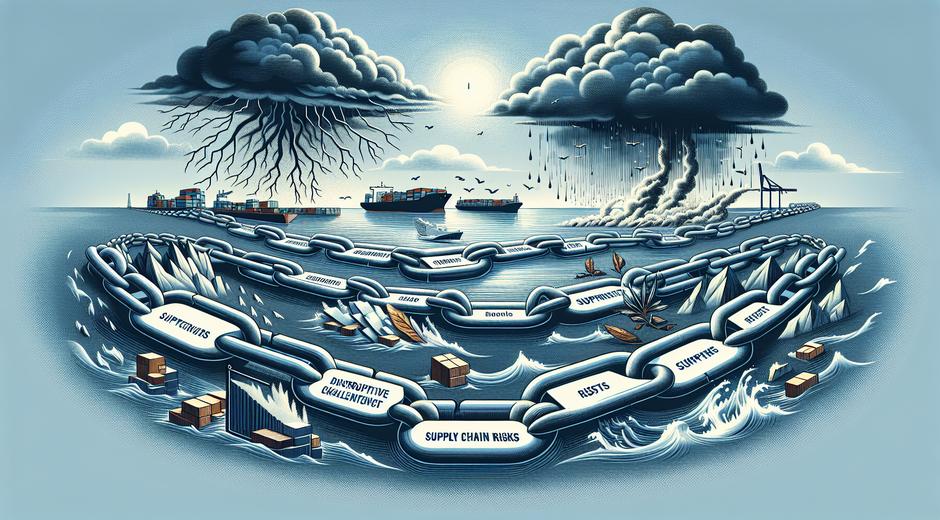
Global manufacturing relies on complex networks of components and raw materials. Sanctions can sever key links in those networks. Companies may face sudden shortages of components or higher input costs. Replacing a supplier is not always easy because certifications logistics and engineering adjustments take time and money. The result is production delays higher inventory carrying costs and lower output. In sectors with high capital intensity or strict regulatory requirements the Sanctions impact can force lengthy re qualifying of parts and new supplier audits.
Currency and macroeconomic effects
Sanctions often lead to currency pressure as trade balances shift and capital flows retreat. A drop in export revenues can translate into lower reserves and rising inflation risk. Central banks may respond with tighter monetary policy or controls on capital to stabilize the currency. Such measures can add to economic contraction and reduce purchasing power for households. For policymakers the tradeoffs are difficult. The Sanctions impact on macro variables can be persistent especially when financing channels are constrained for an extended period.
Unintended consequences and spillovers
Sanctions do not act in isolation. They can produce unintended consequences that change global dynamics. For instance restrictive measures on a major energy exporter can tighten global energy markets leading to price shocks that hit consumers and producers worldwide. In some cases sanctions encourage the targeted party to accelerate policies that reduce reliance on the sanctioning economies such as building domestic production capabilities or deepening ties with alternative partners. These adaptive responses shape the long term Sanctions impact landscape.
Sector specific examples
The Sanctions impact varies by sector. In energy markets the main effects show through export restrictions and limits on technology for extraction and refining. In finance the impact emerges through correspondent banking access and market clearing. In high technology the sourcing of specialized components can be the key vulnerability. In commodity markets sanctions on major producers affect global price levels and trade routes. Companies in each sector must understand the specific vectors of risk to respond effectively.
Strategies for mitigation and adaptation
Firms can adopt several strategies to mitigate the Sanctions impact. First diversify supply chains to reduce dependence on any single supplier or country. Second strengthen compliance frameworks to avoid accidental breaches and to manage counterpart risk proactively. Third build financial flexibility. That means maintaining diverse funding sources adequate liquidity buffers and contingency plans for currency volatility. Fourth engage with policy makers and industry groups to shape realistic compliance expectations and to seek clarity on permissible activity.
Investors should adjust portfolios by assessing exposure to sanction risk and by monitoring geopolitical developments closely. Scenario analysis and stress testing can quantify potential effects of new measures on asset valuations and cash flow expectations. Firms and investors who prepare today will be better positioned to weather sudden shifts tomorrow.
Role of data and technology
Technology can reduce the burden of compliance and improve risk detection. Advanced analytics and machine learning help identify suspicious patterns in trade invoices payment flows and counterpart relationships. Real time monitoring of shipping and customs data allows companies to spot disruptions early and reroute shipments as needed. However technology alone is not enough. Governance legal oversight and clear escalation protocols are essential to ensure that data driven insights are translated into timely decisions and actions.
Policy implications and global cooperation
Sanctions are a policy tool that requires careful calibration. Policy makers must weigh efficacy against collateral damage. Well designed measures target specific actors while minimizing harm to civilians and global markets. Multilateral coordination improves effectiveness and reduces arbitrage. Transparent criteria and predictable processes help markets adjust and reduce uncertainty which in turn limits negative Sanctions impact.
Practical resources and further reading
For companies seeking governance guidance a good starting point is to consult sector specific compliance frameworks and to participate in industry forums. For ongoing news analysis readers can follow specialized outlets and databases that track sanction lists enforcement actions and legal interpretations. Our site provides regular insights on these topics and you can return to the main page for more analysis at financeworldhub.com. For practitioners who want a practical guide on managing supply changes and risk the toolkits available at resource hubs like TasteFlavorBook.com may provide useful checklists and templates to adapt.
Conclusion
Sanctions impact is broad and multifaceted. They affect trade finance markets supply chains and corporate strategies in ways that can be immediate and long running. Firms that understand the primary channels of impact and that invest in resilience compliance and alternative networks will face fewer disruptions. Investors who incorporate sanction risk into their valuation models will be better prepared for volatility. Policy makers who design targeted coordinated and transparent measures can increase effectiveness while limiting unintended global harm. As the global landscape evolves the ability to anticipate and adapt to Sanctions impact will remain an essential capability for market participants.