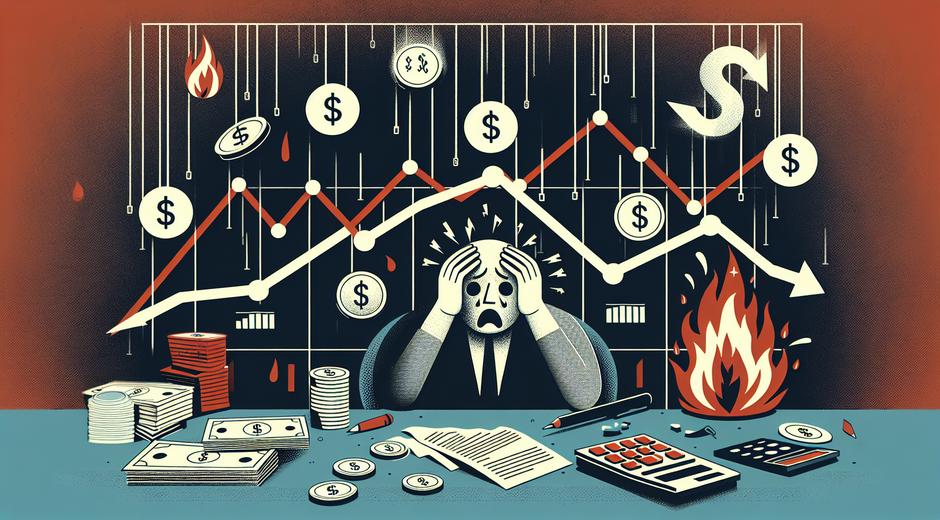


Banking Crisis: Causes Consequences and Strategies for Stability
A banking crisis can shake confidence in financial systems and ripple through entire economies. Understanding what triggers a banking crisis and how to respond is crucial for policymakers investors and everyday account holders. This article examines the common causes of banking crisis the signs to watch for the short term and long term consequences and practical strategies to enhance resilience. Whether you are a finance professional or a concerned consumer this guide will help you navigate uncertainty and make informed choices.
What Is a Banking Crisis?
A banking crisis occurs when a large number of banks face solvency or liquidity problems at the same time. Solvency issues mean that a bank does not have enough assets to cover its liabilities. Liquidity issues mean that a bank cannot meet withdrawal demands even if its assets exceed liabilities on paper. A banking crisis can begin with a few failing institutions and spread rapidly through loss of confidence contagion and market panic. The result can be credit contraction loss of savings and sharp declines in economic activity.
Common Causes of Banking Crisis
Several underlying factors commonly contribute to banking crisis:
1. Rapid credit growth and poor underwriting standards. When lending standards erode during credit booms banks accumulate risky loans that can sour when economic conditions change.
2. Asset price bubbles. Rising real estate or equity prices can mask underlying vulnerabilities. When bubbles burst banks holding these assets suffer losses leading to a banking crisis.
3. Maturity mismatch. Banks often fund long term loans with short term deposits. If depositors lose confidence and withdraw funds this mismatch creates liquidity stress.
4. Operational and governance failures. Poor risk management weak corporate governance and opaque balance sheets increase the chance of crisis.
5. External shocks. Sharp currency moves sovereign debt stress or global financial turbulence can expose weaknesses in the banking sector.
Warning Signs to Monitor
Early detection matters for preventing a full blown banking crisis. Key warning signs include:
Rising levels of non performing loans. If a growing share of loans stops performing banks face increasing losses.
Declining profitability. Falling net interest margins or rising operating costs reduce the buffer available to absorb losses.
Large deposit outflows. Rapid withdrawals are a clear sign of eroding confidence and can trigger liquidity stress.
Falling asset values. Sharp drops in real estate or equity prices can lead to mark to market losses on bank balance sheets.
Tightening interbank funding spreads. When banks charge each other more to borrow it signals market concern about counterparty risk.
Historical Examples and Lessons
History provides valuable lessons on how banking crisis unfold and how policy responses can limit damage. For example a global banking crisis in the late 2000s emerged from excessive leverage poor mortgage underwriting and complex financial products. The crisis showed the importance of strong supervision central bank liquidity backstops and limited moral hazard through clear resolution frameworks.
Another example involved regional banking distress in certain markets caused by rapid credit expansion and sharp declines in property markets. These cases underscore the need for macroprudential tools such as countercyclical capital buffers targeted reserve requirements and stress testing to limit systemic risk.
Macro Economic and Social Consequences
The consequences of a banking crisis extend well beyond bank balance sheets. Common impacts include:
Severe credit contraction. When banks cut back lending businesses and households find it harder to access credit leading to reduced investment and consumption.
Rising unemployment. Lower demand and investment translate into job losses and weaker labor markets.
Public finance strain. Governments often take on bank rescue costs which raises public debt and may crowd out other spending priorities.
Loss of trust. A banking crisis damages trust in financial institutions and regulators and can take years to restore.
Policy Responses That Work
Effective policy responses combine immediate actions to restore confidence with reforms that reduce future vulnerability. Key measures include:
Central bank liquidity support. Providing emergency liquidity to solvent but illiquid banks prevents fire sales and contagion.
Deposit insurance. Protecting small depositors reduces the incentive for runs and stabilizes retail funding.
Capital injections and asset quality reviews. Recapitalizing banks and conducting transparent asset reviews restore solvency and market trust.
Resolution regimes. Clear legal frameworks for orderly resolution of failing banks limit systemic spillovers and reduce moral hazard.
Macroprudential regulation. Tools such as higher capital requirements for systemically important banks dynamic provisioning and leverage limits help build buffers during good times.
How Banks Can Build Resilience
Banks themselves can adopt practices that reduce the likelihood of a crisis and improve survivability if stress occurs. Important steps include:
Strengthening risk governance. Clear accountability robust internal controls and independent risk functions are essential.
Improving liquidity management. Maintaining diverse stable funding sources and higher levels of high quality liquid assets helps withstand deposit shocks.
Stress testing. Regular scenario analysis including severe but plausible shocks highlights vulnerabilities early.
Transparency. Clear disclosure of risk exposures and governance enhances market discipline and reduces rumor driven panic.
Practical Steps for Consumers and Small Businesses
Consumers and small businesses can take simple steps to protect themselves when there is risk of a banking crisis. First review deposit insurance coverage and split funds across institutions if needed to stay within insured limits. Second keep emergency savings in safe liquid forms and avoid panic driven moves based on rumors. Third maintain good records of transactions and account details to speed up any recovery process if your bank faces operational disruptions.
Financial education matters. Understanding basic banking concepts such as liquidity solvency and deposit insurance reduces panic and enables better decisions when markets are volatile. For learning resources and courses that cover finance topics in depth visit StudySkillUP.com where practical training helps individuals and professionals strengthen their financial knowledge.
Investment Implications
A banking crisis changes the risk reward profile across asset classes. Investors often reduce exposure to bank equities and increase allocations to safe assets such as government securities and high quality corporate bonds. Real estate investments may face pressure if the crisis is linked to property markets. Diversification liquidity and countercyclical allocation strategies become essential during such periods.
Long term investors can find opportunities as markets overreact to short term fears. Careful analysis of balance sheet strength regulatory environment and franchise value helps identify banks that may recover faster once stability returns.
Future Outlook and Recommendations for Policymakers
Preventing the next banking crisis requires a combination of vigilant supervision resilient market infrastructures and ongoing policy innovation. Policymakers should focus on improving data quality to detect emerging risks enhancing cross border cooperation to manage global linkages and designing targeted macroprudential tools that can be deployed quickly. Strengthening financial literacy and communication strategies also helps maintain public trust during stress.
For more insights on finance policy market trends and practical guidance visit our site at financeworldhub.com where we publish timely analysis and resources aimed at helping readers navigate complex financial topics.
Conclusion
A banking crisis can emerge from a variety of sources but is often driven by the same underlying themes of excessive risk poor governance and sudden loss of confidence. Early detection strong regulatory frameworks and sound bank practices are essential to limit damage. Consumers investors and policymakers all play a role in building a more stable financial system. By staying informed and taking proactive measures you can reduce exposure and be better prepared when volatility arises.